
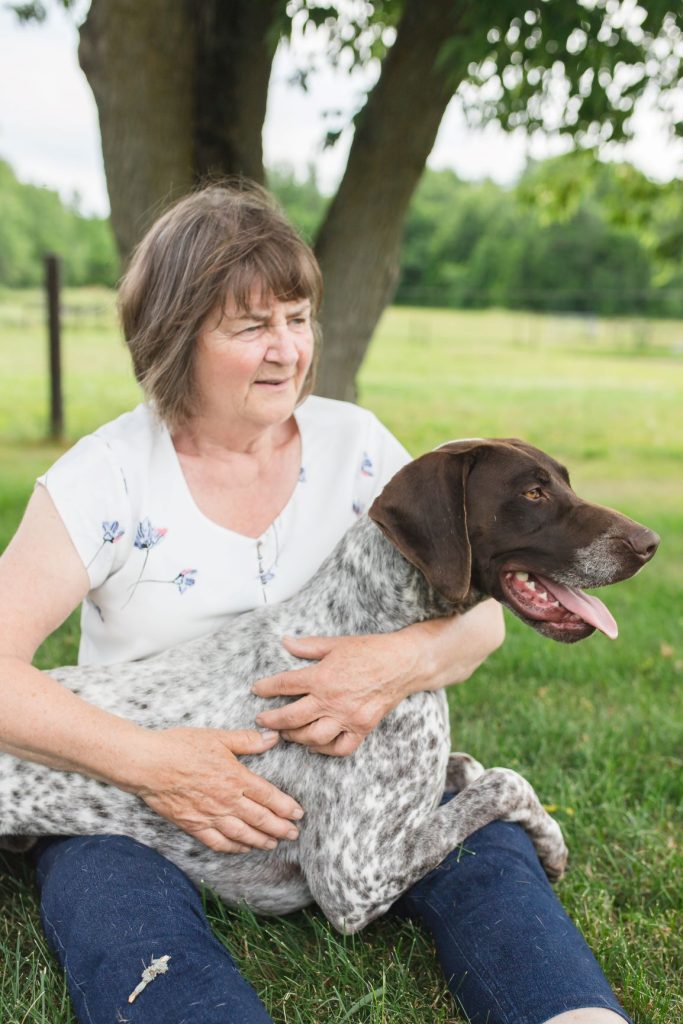
OMPRN is honoured to welcome Gretta Hutton, a dedicated social worker whose career spans education, counselling and community-based healthcare. She has a longstanding commitment to supporting individuals and families through complex challenges. Beginning as an elementary school teacher with a focus in special education, Gretta built a diverse foundation working in the classroom, at a residential treatment centre supporting adolescents on the autism spectrum, and later as a special education consultant and administrator. With an undergraduate degree in psychology incorporating counselling, her early academic path led to graduate studies in family therapy, an ambition she later fulfilled by completing a Master of Social Work for Working Professionals through the University of Windsor following her retirement from teaching in 2009.
Gretta went on to spend six years with Closing the Gap Healthcare Group as a Community Social Worker, providing in-home support to clients with serious health conditions. Her work was highly individualized involving counselling, system navigation and the development of coping strategies tailored to each client’s needs. Alongside her professional accomplishments, she is a proud parent and grandparent and has maintained lifelong passions for breeding and showing horses, as well as German Shorthaired Pointers.
In this interview, Gretta shares her perspective on the critical role social workers play in cancer care, offering insights into how patients and caregivers can access support, advocate for themselves and feel less alone throughout their journey.
Interview conducted by Leigh-Ann van Strijp via email on April 6, 2026.
Download a PDF handout of the interview below:
Can you describe your role as a social worker in cancer care?
I had clients with a variety of life limiting illnesses including cancer. As a social worker who also has lived experience, system navigation & advocacy were part of my role. In addition, I assisted clients & their caregivers with access to all the support & financial programs to which they were entitled.
If you would like to read up on the different roles of other support professionals involved in cancer care, view the ‘support professionals in cancer care’ page for a breakdown.
What inspired you to become a social worker?
As a teacher, especially in special education, so much of my role fell outside the realm of classroom teaching & into the social/emotional issues with students & their families. I always wanted to develop my skills in this area.
How do you work alongside oncologists, nurses, and other members of the care team?
As a community social worker, I was not usually involved with oncologists directly, but I did regularly attend multi-disciplinary team meetings when I had clients with complex needs referred to the team for input.
At what point in a patient’s journey might someone meet a social worker?
Social workers may become involved during several stages of a patient’s journey. Near the beginning, hospital social workers may help with logistical issues especially for patients who do not live near major cancer centres with parking passes, temporary lodging etc. Assisting with applications for financial assistance such as Ontario Disability Support Program (ODSP) may also be part of their role. Discharge planning which may include community supports may also be part of their role. Once at home, in a respite or retirement home setting, community social workers may also be involved to assist with ensuring clients are safe & accessing all available supports. I also encouraged clients to have Powers of Attorney & advance care planning in place.

What kinds of challenges do patients and families commonly come to you with?
Clients were often unaware of the types of supports available to them in the community. Not all clients had tech access or skills needed to apply for these programs. Many financial programs can only be accessed if income tax had been correctly filed in previous years. Connecting clients with low or no cost tax filing services was a frequent ask.
How does the role of a social worker differ from a patient navigator?
The navigator role may be filled by a social worker, nurse or other trained professionals in the healthcare system. I believe there is often a lot of overlap in the roles.
Both social workers & nurses are registered with their respective professional colleges that have requirements for continuing education & professional standards of practice. Although there are courses & certification, I don’t believe that there is a regulatory government college for navigators at this time.
How do you empower patients to be active participants in their care decisions?
The stage of a client’s journey helped to determine what & how active they could be in their care decisions. Informed by my own cancer journey, initially, I was too ill to play an active role in my care decisions. As my health improved, I was able to participate much more actively in the process. Similarly, I encouraged my clients to find their voice to the degree that they were able.
Take a look at our video on ‘being an active participant in your cancer care”.
What advice would you give patients who feel overwhelmed or unsure where to start?
I continue to get calls from cancer patients especially as they begin their journey. They are usually overwhelmed & terrified. I often encourage them to trust their gut especially when it comes to working with their care team. Should they not be confident with the initial treatment option &/or their primary team, I also encourage them to connect with the Clinical Trial Navigator through the Canadian Cancer Clinical Trials Network to become aware of any other treatment options.
Look at our ‘support professionals in cancer care’ infographic for common questions you can ask each healthcare professional involved in cancer treatment and care.
To learn more about Clinical Trials, please consult our video ‘How do Clinical Trials Work?”.

What’s one thing you wish every patient knew about social workers?
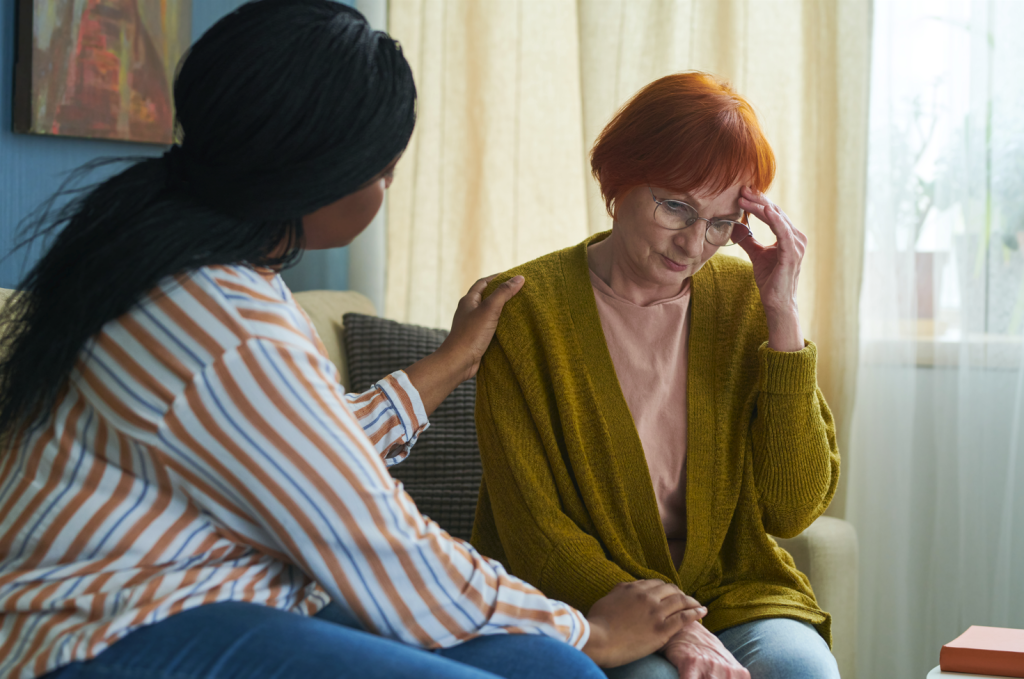
I became aware that not all hospitals or even departments within hospitals routinely refer clients to social work. I wish that all clients could access the services of a social worker at least to ensure that they become aware of all the programs, supports & services available to them & are provided with assistance to access them. They do not have to navigate their journey alone.
“I wish that all clients could access the services of a social worker.
They do not have to navigate their journey alone.”
Conclusion
Gretta’s insights highlight the vital and often under-recognized, role social workers play in supporting patients and families affected by cancer. From navigating complex systems and accessing financial resources to providing emotional support and empowering patients to find their voice, social workers are key members of the care team. As Gretta emphasizes, no one should have to navigate a cancer journey alone and ensuring access to social work services can make a meaningful difference in the quality of care.
Become a Member
OMPRN connects pathologists and molecular pathology researchers across Ontario. Become a member to access exclusive research, educational and networking resources.

OMPRN’s patient resources
OMPRN aims to meet the education needs of everyone, from budding researchers to patients and members of the greater patient community